Essential Oil Basics
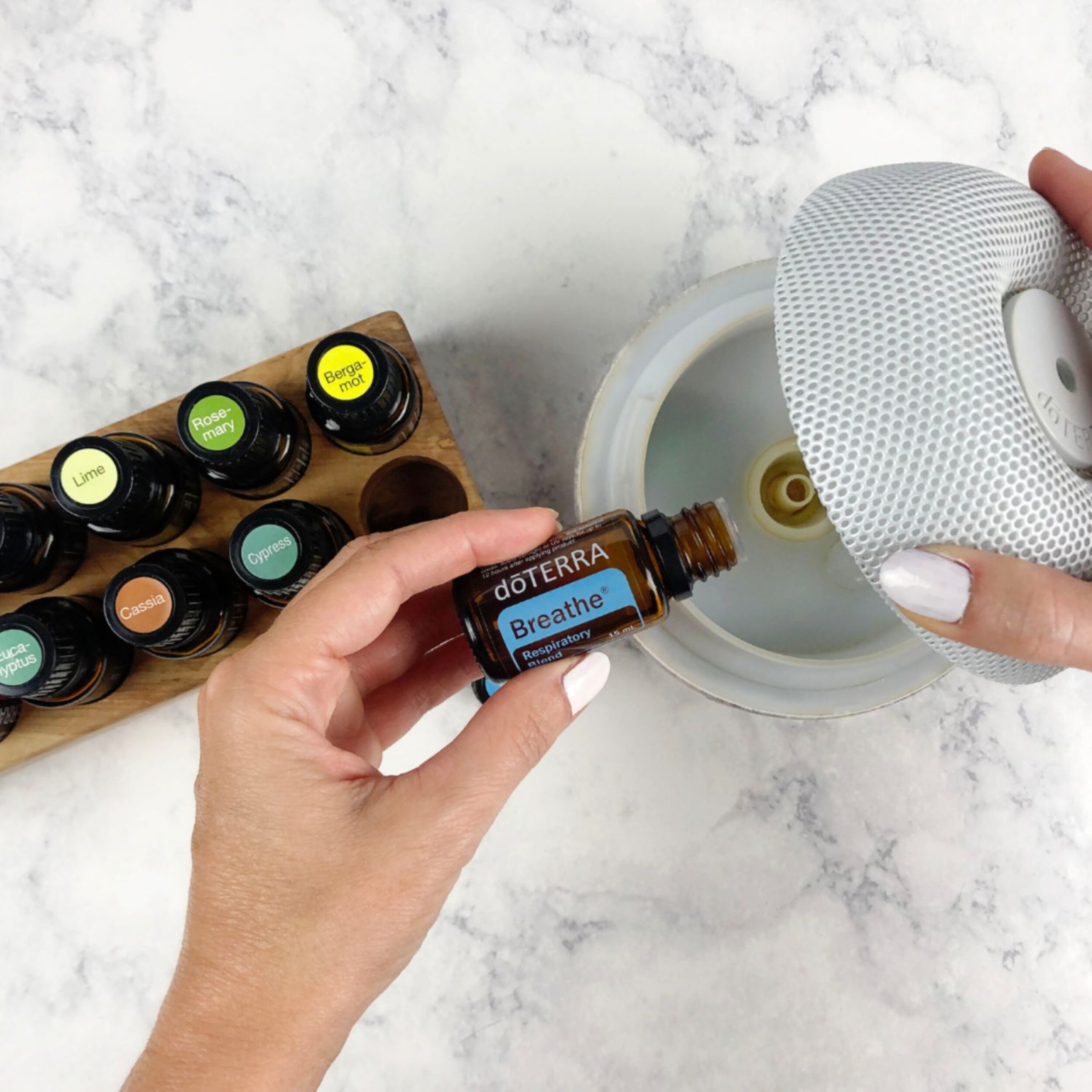
Essential oils aren’t a modern wellness trend. For centuries, plant extracts and infused botanicals were part of daily life—used for hygiene, preservation, physical support, and emotional well-being. Today, they’re most effective when used with education, intention, and respect for their potency.
This page covers the basic principles I teach so essential oils are used safely, effectively, and responsibly.
Why the Basics matter
Essential oils are natural, but they are powerful. They’re highly concentrated plant compounds, which means sourcing, application, and how they’re used over time really matter.
When people have problems with essential oils, it’s rarely because the oils themselves “don’t work.” More often, the basics were skipped:
Quality was not considered.
The oils were used improperly or inconsistently.
The oils were treated like simple fragrance instead of something biologically active.
Essential oils aren’t magic, and they aren’t fake. They’re tools that are based in science. Like any tool, how useful they are depends on how they’re used. A little education goes a long way. With some basic knowledge, you’ll find that essential oils are a safe and natural way to support the body and get your intended results.
Where to focus First
When people feel overwhelmed by essential oils, it’s usually because the basics weren’t clear from the start. So I start with the basics.
Quality & Sourcing
Not all essential oils are created equal, even when the label says the same plant name. Growing conditions, harvesting, distillation, and testing all influence what ends up in the bottle. I focus on quality first because an oil can only be as helpful as its chemical makeup—and poor quality often explains why someone had a bad experience early on. You can’t purchase quality essential oils from WalMart or Amazon. In fact, most health food stores don’t carry quality essential oils.
Less Is More
Essential oils are concentrated by design. Using more doesn’t make them work faster or better, and in many cases it does the opposite. You want the smallest effective amount, used consistently. This is one reason why diluting essential oils is often more effective.
Application Matters
Essential oils interact with the body differently depending on how they’re used. Aromatic, topical, and internal use each have their place.
Aromatic use works through inhalation and is often used to freshen the air, support easy breathing, and influence mood and emotional state positively.
Topical use involves applying oils to the skin, usually diluted. This approach is commonly used for physical support and for creating simple, repeatable routines.
Internal use has its own potential benefits and considerations. Paying attention to quality and basic safety guidelines is important when using essential oils internally.
Safety & Sensitivity
Age, health status, medications, and bio=individuality all matter. Some people need very little to notice an effect, while others do better with slower, gentler use. Paying attention to the body’s response is part of using oils effectively.
Using essential oils often becomes more intuitive over time. Many of us have lost that kind of body awareness after years of turning health decisions over to labels, schedules, and “experts”. When you slow down and pay attention, the body usually gives clear feedback.
my Approach
Essential oils are absolutely amazing and helpful but I don’t treat them as cure-alls or quick fixes (even thought it may feel like it sometimes). You might remember the word homeostasis from 7th-grade science. It’s just the body’s built-in ability to find balance—and that’s what essential oils are meant to support.
I pay attention to the growing body of research and use oils in ways that work alongside the body’s natural processes and put the body into balance.
Essential oils can be surprisingly simple to use, but they still pack a punch. With good quality, a little education, and a light hand, they become a practical, effective way to improve your health naturally.
Extra Credit
Things I’d recommend to a friend.
People to Follow on Instagram:
Dr. Scott Johnson, Doctor of Naturopathy, Certified Clinical Master Aromatherapist. His evidence-based approach to natural healing and experience conducting medical research make him one of the world’s leading experts on the therapeutic application of essential oils.
Free eBooks:
Research and Info:
Essential Oils: 11 Main Benefits and 101 Uses by Dr. Josh Axe
I only recommend products and resources I personally use or trust.