The Toxin Free Home
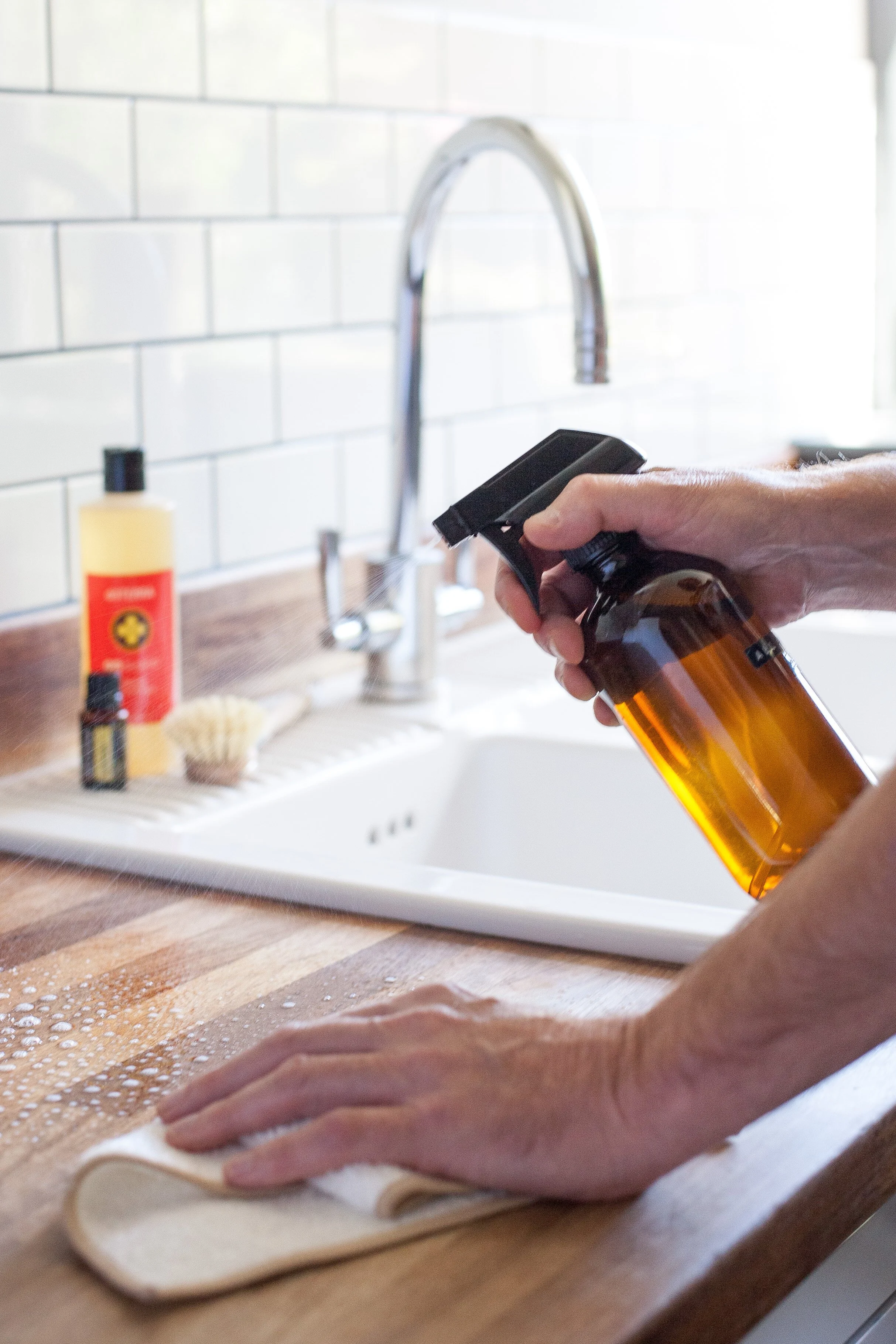
The choices we make inside our homes matter more than most people realize. Our homes are one of the biggest sources of chemical exposure in modern life. Small, repeated inputs from everyday products can significantly imact our hormones, brain, ability to lose weight, and overall health over time.
Why the home environment matters
Let’s talk about toxins. Most people think about toxins as something dramatic, rare, or immediately deadly. In reality, our most consistent exposures come from the products we use everyday inside the home—cleaning products, personal care items, fragrances, and materials that off-gas into indoor air.
From a biological standpoint, this matters for a few key reasons:
Cumulative exposure
Low-level chemical exposures may not cause immediate symptoms, but they add up over time. The body processes these compounds through detoxification pathways that also regulate hormones, metabolism, and immune function. If your detox pathways are clogged, toxins build up and can create serious health problems that can manifest as “normal” health issues.Endocrine disruption
Certain chemicals commonly found in household and personal care products have been shown to interfere with hormone signaling, even at very small doses. This is particularly relevant for women navigating metabolic changes, fertility, or midlife hormone shifts.Indoor air quality
Indoor air is often more polluted than outdoor air due to cleaning products, synthetic fragrances, and poor ventilation. Inhalation provides a direct route of exposure that bypasses some of the body’s usual filtering mechanisms.Metabolic and neurological load
The liver and nervous system are responsible for processing both nutrients and toxins. When detoxification capacity is overloaded, it can impact energy regulation, blood sugar, sleep, and stress response.
This isn’t about fear or perfection. It’s about understanding that reducing unnecessary chemical inputs lowers the toxic load the body has to manage, allowing our body to function more efficiently and heal.
Where to focus First
When it comes to reducing toxic load, not all exposures carry the same weight. Let’s focus first on areas with high frequency of use, direct routes of exposure, and strong evidence for biological impact.
Cleaning Products
Household cleaners are used daily and in enclosed spaces. Many contain solvents and fragrances that contribute to hormone disruption, indoor air pollution, and respiratory issues, making them a high-impact place to start with relatively easy swaps.
Personal Care
Products applied to the skin—especially those used daily—can contribute to systemic exposure. Your skin is your largest organ and absorbs what you put on it. Simplifying routine personal care and making swaps for cleaner products is another high-impact choice.
Air & Fragrance
Synthetic fragrances, candles, plug-ins, and sprays are a major source of volatile organic compounds (VOCs). Inhalation provides a rapid route of immediate exposure. Synthetic fragrance is a legally protected mixture of undisclosed chemicals, not a single ingredient. Because inhalation is a direct route into the bloodstream, repeated exposure can quietly add to hormonal, neurological, and respiratory load over time. Reducing fragrance exposure requires relatively little effort and has huge health benefits. Plus, it’s often a money-saver.
Kitchen Basics
Cookware, food storage, and water quality all impact your health. Plastic storage containers and cookware with coated surfaces allow chemicals to be released and ingested into the body. Because this exposure occurs through ingestion, it becomes part of daily metabolic load. Small changes can reduce contact with certain plastics and residues. And guess what? You don’t need a full kitchen overhaul.
my Approach
I don’t approach non-toxic living as a set of rigid rules or all-or-nothing standards. I make informed decisions and focus on what’s within my control, reducing unnecessary exposure in ways that are realistic, sustainable, and grounded in evidence.
I stay informed as research evolves and prioritize materials and practices that stay as close to nature as possible—especially in areas that involve daily contact, heat, and ingestion. When there’s a simpler, lower-impact option available, I tend to start there. Often, its less expensive, too.
Glass storage > plastic containers
Pure essential oils > Plug-ins and candles
Vinegar > Windex
Health shouldn’t require constant vigilance or overwhelm. It’s all about baby steps and slow, steady progress.
I only recommend products and resources I personally use or trust.
Extra Credit
Things I’d recommend to a friend.
Research:
Kitchen Basics:
Big Berkey water filter system
Mason jars for drinking and food storage
Uncoated cookware like cast iron or stainless steel
Personal Care:
Keep products free from parabens, fragrances, phthalates, triclosan, and PEGs.
Use apps like Yuca or EWG’s Healthy Living
Choose pure essential oils over perfume, air fresheners, or plug-ins
I only recommend products and resources I personally use or trust.